NFPA 1006 Rope Rescue Awareness & Operations
Course Information
Duration: 4 Days [Up to 36 hours]
Certification: A certificate will be issued to each participant upon successful completion of the course. Certification is valid for three years.
Re-Certification: T’NT recommends an annual in-house practical evaluation or advancement to the Technician level.
Evaluation: Each participant may be required to pass a practical skills evaluation.
Course Description
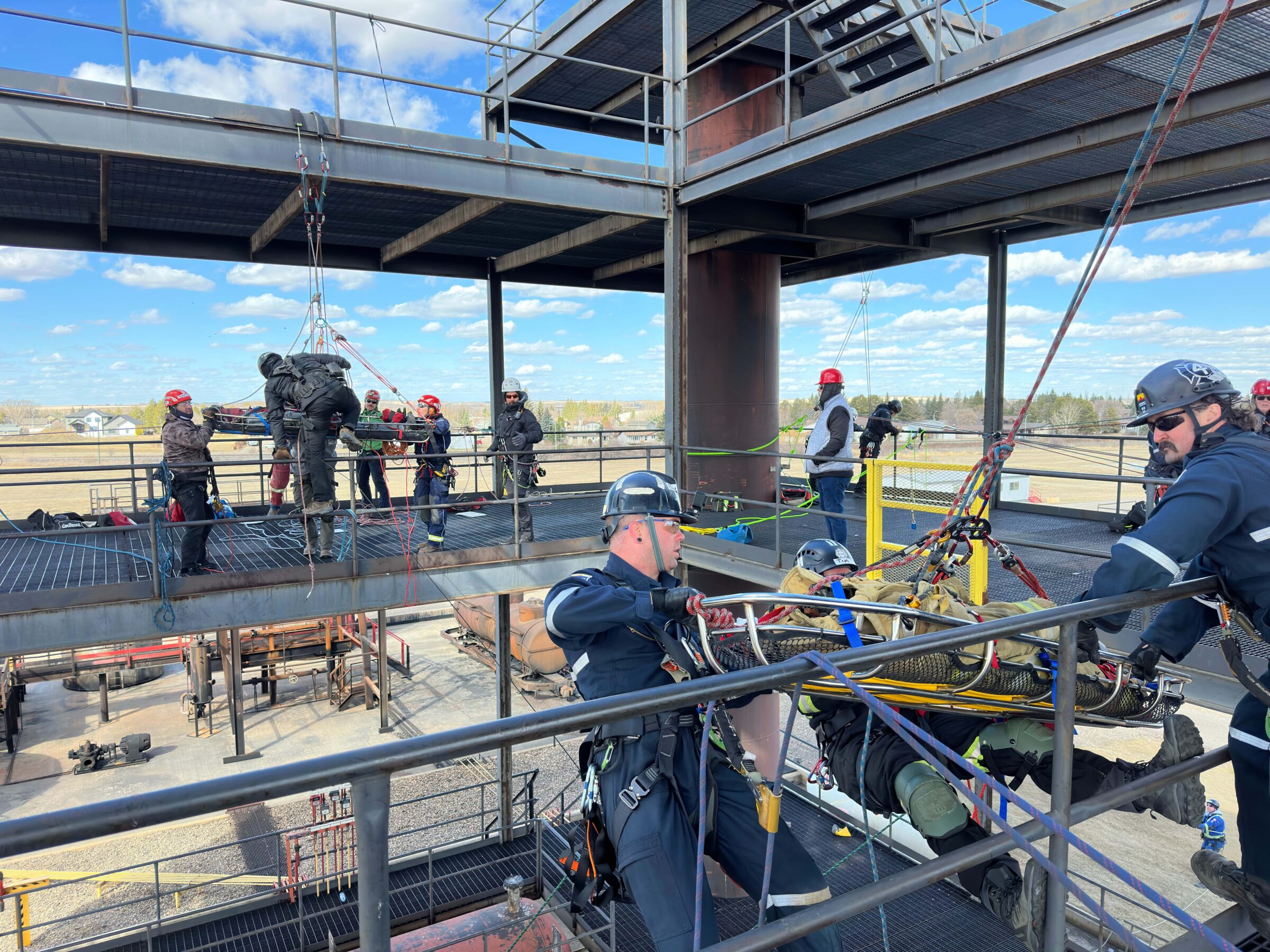
Our NFPA 1006 Rope Rescue Awareness & Operations course provides the essential knowledge and practical skills needed to safely support rope rescue incidents. Participants learn hazard recognition, scene management, basic rope systems, and operational support techniques in accordance with the competencies outlined in NFPA 1006. Through hands-on training and realistic scenarios, this course builds the foundation responders need to operate effectively and safely as part of a technical rescue team.
Training Standard
The National Fire Protection Association creates one of the only internationally recognized standards for Professional Rescuers and Teams. NFPA 1006 is the Standard for Technical Rescue Personnel Professional Qualifications. This standard identifies the minimum job performance requirements (JPRs) for emergency response personnel who perform technical rescue operations. The standard describes discipline-specific Job Performance Requirements for rescue practitioners. Each discipline is divided into three levels of technical proficiencies: Awareness, Operations, and Technician. This course includes the JPRs outlined in the Awareness and Operations levels, but will be tailored to the needs of the group or client.
NFPA 2500 is the Standard for Operations and Training for Technical Search and Rescue Incidents and Life Safety Rope and Equipment for Emergency Services. Among other requirements, this standard identifies and establishes levels of functional capability for efficiently and effectively conducting operations at technical search and rescue incidents while minimizing threats to rescuers. It is intended to help the authority having jurisdiction (AHJ) assess a technical search and rescue hazard within the response area, identify the level of operational capability, and establish operational criteria.
This course will meet or exceed NFPA 1006:2027, Chapter 5 Operations Level
//Course Content
TOPICS MAY INCLUDE, BUT ARE NOT LIMTED TO THE FOLLOWING:
- Anchoring [Single and Multi-Point, Rope Anchors]
- Mechanical Advantage Systems [Simple and Compound]
- Slope Rescue [Low and Steep Slopes]
- Edge Transitions [Using High Points or AHDs]
- Maneuvering on Rope [Abseiling, Self-Rescue]
- Pick-off & Line Transfers [Team-Based]
- Team Management [Roles and Responsibilities, Communications]
- Team Rescues [Rigging and Attachments, With and without attendants]
Prerequisites
Participants should be proficient with basic knots, proper donning/doffing of a harness, and self-check/buddy check.
The tables below list key concepts and skills a participant should be proficient with before the first day of class. While we do try to offer time to refresh some skills, ideally participants are comfortable with the requirements below.

KNots, Bends & Hitches
- Figure 8 on-a-bight
- Bowline
- Prusik hitch
- Alpine Butterfly
- Clove hitch
- Double Overhand Knot

Skills & Techniques
- Donning/Doffing of harness
and PPE
Required Equipment
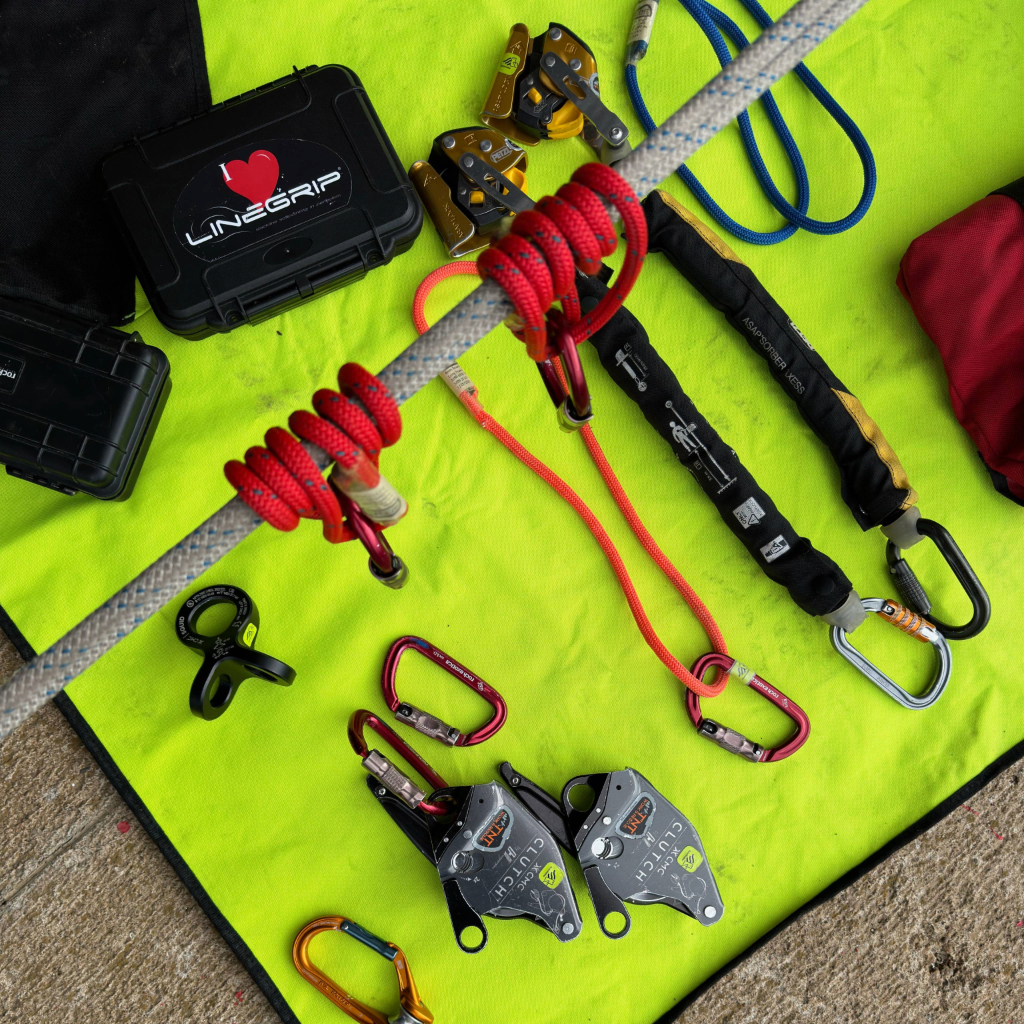
Each participant is required to bring the equipment listed below. Some equipment may be shared amongst team members. If you cannot bring the listed equipment, please contact T’NT so that we may try to make other arrangements.
- Harness, Helmet, Gloves
- 1x Descent Control Device
- 6x Auto Locking Carabiners
- 1x Belay Device
NOT REQUIRED, BUT PLEASE BRING, IF POSSIBLE:
- 4x more Locking Carabiners
- 1x Rig Plate
- 1x Rope Grab
- 2x Prusiks
- 2x Pulleys
- 1x 200 ft or more of rope sized to your Descent Control Device
- 1x Adjustable Lanyard
- Anchoring and Edge Protection Material